

When Graduation Gets Real
This morning, a few of my HR students stopped by after class with worried faces.
They’re in their final semester and beginning to prepare for their 14-week co-op training — the last requirement before graduation.
Their questions came quickly and sincerely:
“Sir, what should I write in my professional summary?”
“Should I include my one-year work experience?”
“Can I mention class projects or presentations?”
“Which courses should I highlight?”
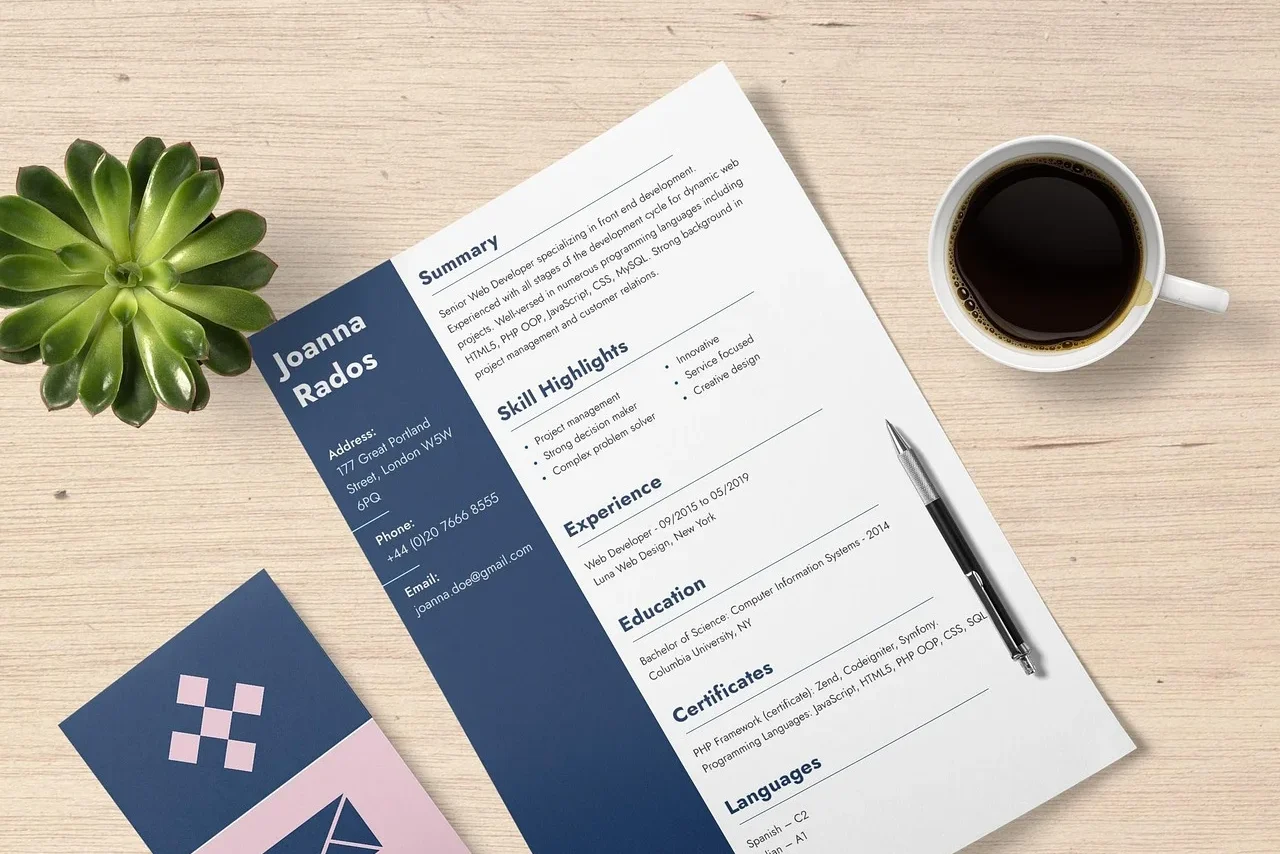
I smiled because I’ve heard these same questions every semester — and they always remind me how important this moment is. The resume isn’t just a document; it’s a bridge between the classroom and the professional world.
Your Resume Is a Story, Not a List
Most students start by listing everything they’ve done. But employers don’t read resumes like checklists; they read them like short stories — looking for evidence of potential, not perfection.
So I tell my students:
“Your resume should tell the story of who you’re becoming.”
A good CV doesn’t need to show years of experience; it needs to show growth, effort, and direction.
What to Include — and Why
Here’s how I guide them, step by step:
-
Professional Summary — Your 3-Line Identity
Write three lines that show who you are, what you’ve studied, and what kind of contribution you want to make.
Example:“An HR student specializing in talent management and cross-cultural teamwork. Passionate about applying classroom learning to real HR challenges during co-op training.”
-
Education — Your Academic Foundation
Highlight your Bachelor’s in HRM (or BSBM HR) clearly.
Mention 2–3 key courses related to the co-op position — for example:
Performance Management, Recruitment & Selection, Cross-Cultural Management. -
Experience — Show Learning, Not Length
If you’ve worked for one or two years, absolutely include it — but focus on skills and impact, not job titles.
Example: “Assisted HR team in updating employee attendance policy to improve punctuality.” -
Projects & Presentations — Proof of Application
Mention academic projects that show applied HR learning.
If you’ve delivered a strong presentation, include it under “Academic Projects.”
Employers value initiative and communication skills. -
Skills — Your Tools
Combine technical and soft skills.
Example: MS Excel · HRIS Basics · Teamwork · Cross-Cultural Communication · Report Writing.
Why Employers Care About More Than Grades
In Saudi Arabia, co-op supervisors tell me one thing consistently:
“We can train technical skills, but we value attitude and curiosity most.”
That’s what your resume should communicate — not just what you’ve studied, but how ready you are to learn.
So instead of writing “Looking for an opportunity to gain experience,” write:
“Eager to apply classroom learning and contribute to HR operations with professionalism and adaptability.”
It’s a small shift, but it changes everything.
A Story from My Own Classroom
Last semester, one student had an excellent GPA but always stayed quiet in class. When it came time to apply for co-op, he said, “Sir, I don’t think I have anything to show.”
Together, we reviewed his projects — and discovered that he had built an entire training module for Employee Motivation in one of his courses. We added it to his CV.
Two months later, he wrote to me:
“Sir, they selected me because of that project. They said it showed initiative.”
That’s what a good resume does — it highlights who you really are when you try your best.
Mindset for the Week
Your resume isn’t a mirror of the past — it’s a window into your potential.
Don’t hide behind modesty or fill it with jargon.
Instead, let it reflect your effort, energy, and enthusiasm to learn.
This week, as you prepare your co-op CVs, ask yourself:
“What story am I telling about who I’m becoming?”
Because every career begins not with a job offer, but with clarity about your own value.
Takeaway
💡 Your resume should speak in your voice — confident, curious, and ready to grow. The goal isn’t to look perfect; it’s to look prepared.